
Every Monday morning for 25 years, Satoko Furuhata has loaded her car and set off on her delivery route through the streets north-west of Tokyo. She visits around 40 households a day, dropping off small bottles of Yakult probiotic drinks. But for one 83-year-old customer who lives alone in Maebashi, the real delivery is something no factory can bottle: human connection.
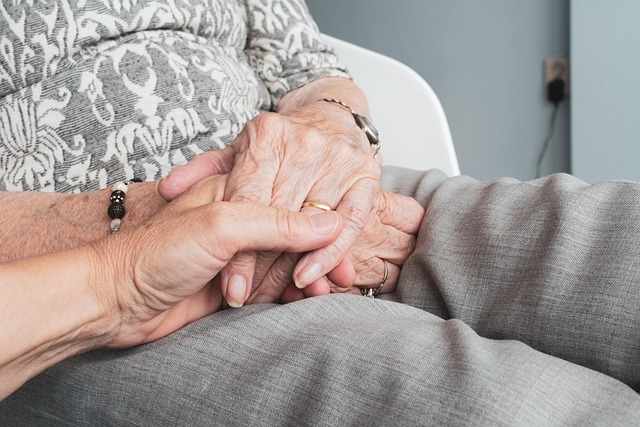
"Knowing that someone will definitely come to see my face each week is a tremendous comfort," the woman, who wished to remain anonymous, told the BBC. "Even on days when I feel unwell, hearing her say, 'How are you today?' at my doorstep gives me strength."
She calls Monday her "energy charging day."
A delivery network that became social infrastructure
Japan is the world's most rapidly ageing major economy. Nearly 30% of its population is over 65, and the number of elderly people living alone continues to climb. The country even has a word for it — kodokushi, or "lonely death," describing cases where people die at home with nobody noticing for months or even years. According to National Police Agency data, more than 40,900 people died alone at home in just the first half of 2025.
Into this crisis steps an unlikely force: the Yakult Ladies. Numbering around 50,000 worldwide, these women — instantly recognisable in their navy uniforms with red plaid trim — deliver probiotic drinks door-to-door across Japan and beyond. On paper, they're salespeople. In practice, they've become part of the country's informal social safety net.
The system began almost by accident. When Yakult launched in 1935, the idea of deliberately drinking bacteria was a tough sell. The company sent salespeople door-to-door to explain the product. Labour shortages brought women into the role, and they proved so effective — particularly with other women making household grocery decisions — that the company formalised the "Women's Delivery Sales Network" in 1963.
More than a delivery
Asuka Mochida, a 47-year-old Yakult Lady from Gunma Prefecture, says nearly all her customers are elderly. She sees her role as far more than commercial.
"We are watchers in a sense, people who look out for others," she told the BBC. "We notice small changes in health or lifestyle."
That vigilance matters. In a country where 11 million over-65s are projected to be living alone by 2050, a familiar face at the door can be the difference between someone getting help and someone slipping through the cracks. Japan appointed its first "Minister of Loneliness" in 2021 and has a government task force on social isolation — but on the ground, it's women like Furuhata and Mochida doing the daily work.
The visits are simple. They chat about gardening, families, local news, health tips from the newspaper. "These may seem like small conversations," said Furuhata's longtime customer, "but they make me feel and realise that I'm not alone."
The gut-loneliness connection
There may even be a scientific thread linking the product to the problem it inadvertently helps solve. Microbiome scientist Dr Emily Leeming notes that stress and chronic loneliness can negatively affect gut health. "Loneliness is linked to lower gut microbiome diversity," she explains, partly because isolated people exchange fewer microbes and partly because loneliness triggers low-grade stress responses that harm the gut.
Yakult didn't design its delivery network as a public health intervention. But the combination of a probiotic drink and regular human contact may be more powerful than either alone.
A model for the world?
The Yakult Lady system has expanded far beyond Japan — into Brazil, Mexico, Malaysia, Vietnam, the Philippines, Singapore, China and Indonesia. The job titles translate differently across cultures — "aunties" or "mums" in some countries — but the core idea remains: a smiling face, a routine visit, a reason to open the door.
In an era when technology companies race to solve loneliness with apps and AI companions, Japan's answer turns out to be decidedly low-tech: a woman on a bicycle with a bag of yoghurt drinks and the time to ask, "How are you today?"
For Furuhata's 83-year-old customer, the answer is clear. "I've stayed healthy without major illnesses and people often tell me how energetic I am," she says. "I believe that's because I've been drinking Yakult for many years. But it's not just the drink — receiving Mrs Furuhata's visits is also important to my health routine."
Monday is her energy charging day. And she never schedules anything else.