
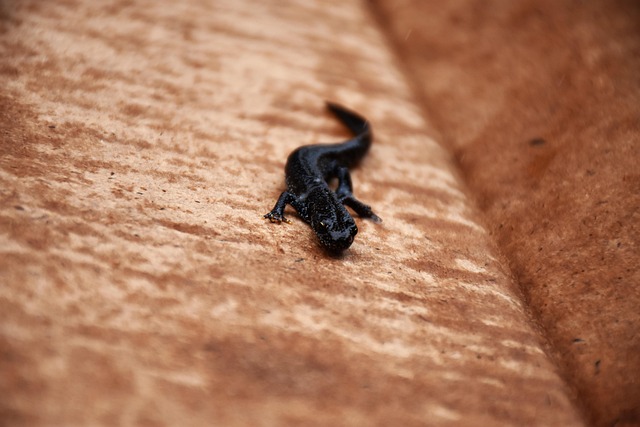
Somewhere in the Highlands, a Great Crested Newt is alive today that, by any reasonable reckoning, should not be. A few years ago, its chances of surviving to adulthood stood at a dismal two per cent — odds that would make a bookmaker wince. Today, thanks to the Highland Amphibians Reptile Project, that figure has risen to thirteen per cent. It may not sound like a revolution, but in conservation terms it is precisely that: a sixfold improvement that has enabled what is believed to be the first translocation of Great Crested Newts anywhere in Europe.
That small, warty amphibian — Britain's rarest newt — is perhaps the most charming emblem of Scotland's Nature Restoration Fund, which has now passed the £65 million milestone since its launch in 2021. More than 250 projects have been funded across the country, from river valleys to remote coastlines, and the results are becoming impossible to ignore.
"The Nature Restoration Fund has come at a critical time and made a real difference," said Professor Colin Galbraith, chair of NatureScot. "People have been restoring saltmarshes and wetlands, enhancing rivers, creating woodlands and removing invasive species to help our plants and wildlife flourish."
The fund's reach extends well beyond the freshwater ponds of the Highlands. Off Scotland's west coast, the Scottish Entanglement Alliance is trialling innovations designed to stop whales and basking sharks from becoming fatally tangled in fishing equipment. Current solutions being tested could reduce entanglement incidents by up to eighty per cent — while preserving the low-impact creel fishing that sustains coastal communities.
It is a delicate balance: protecting marine giants without destroying livelihoods. Early results suggest it can be done.
River renewal at Pitlochry
Inland, near Pitlochry in Perthshire, the Brerachan Water Restoration Project offers a vivid case study in what happens when you let a river breathe again. The fund supported the restoration of 25 hectares of floodplain, introducing meander bends, infilling old drainage channels, and planting native riparian trees. A specially engineered chute channel now carries water from the river onto the floodplain naturally.
"We've gone from a drained and degraded plain to a rich and varied habitat," said Richard Lockett, who managed the project. "It's now teeming with life."
Climate Action Minister Dr Alasdair Allan, announcing the £65 million milestone at the Brerachan site, said the benefits run far beyond wildlife. "This funding goes a long way in helping to tackle the twin nature-climate crises," he said. "All while improving the health and wellbeing of local communities."
A law to match the ambition
The fund's achievements now have legislative backing. On 29 January 2026, the Scottish Parliament passed the Natural Environment (Scotland) Bill — a landmark piece of legislation that introduces legally binding targets for nature restoration for the first time in Scottish history.
The new Act places biodiversity on an equal footing with climate targets, grants NatureScot stronger powers over deer management — overgrazing being one of the greatest barriers to woodland recovery — and makes Scotland the first country in the United Kingdom to mandate swift bricks in new buildings, providing nesting habitat for declining urban bird populations.
Jo Pike, chief executive of the Scottish Wildlife Trust, called the moment "a momentous achievement." She added: "We don't celebrate success enough within nature conservation and we need to take this moment to say a collective well done to everyone who has helped make this happen."
Looking ahead
The Scottish Government has committed to extending the Nature Restoration Fund into 2026-27, with further rounds of multi-year projects planned. Professor Galbraith, while welcoming the progress, struck a note of realism: "With nature in crisis across Scotland, there is still a great deal more to be done."
Perhaps so. But for now, the Great Crested Newts of the Highlands are thriving where once they were vanishing. Whales are swimming a little safer. And a river near Pitlochry is finding its way back to a floodplain it had been severed from for decades.
Scotland, it seems, is learning to let nature do what nature does — and investing properly in the process.