

The monarch butterfly population in Mexico has surged by 64% — and halfway around the world, a young tiger is prowling through forests that stood empty a generation ago. In a week that also brought sobering news about emperor penguins, these conservation success stories offer powerful evidence that sustained effort can turn the tide for endangered species.
Monarchs on the move
Every autumn, tens of millions of monarch butterflies travel nearly 3,000 miles from Canada and the United States to the forests of western Mexico. This winter, scientists found them occupying 7.24 acres of forest — up from 4.42 acres the previous year and the largest coverage since 2018.
The figures, released by WWF-Mexico and its partners, reflect years of work to combat illegal logging, restore forest habitat, and reduce pesticide use across the butterflies' extraordinary transcontinental range.
"Despite environmental challenges, today's announcement shows promising signs of recovery," said Maria Jose Villanueva, WWF-Mexico's Director General. "We also need to remain vigilant. This unique migration continues to face many challenges."
The numbers remain far below the nearly 45 acres of forest monarchs covered just 30 years ago. But illegal logging in the core zone of Mexico's Monarch Butterfly Biosphere Reserve has been virtually eradicated since 2008 — a remarkable turnaround that offers genuine grounds for optimism.
Gamma's great adventure
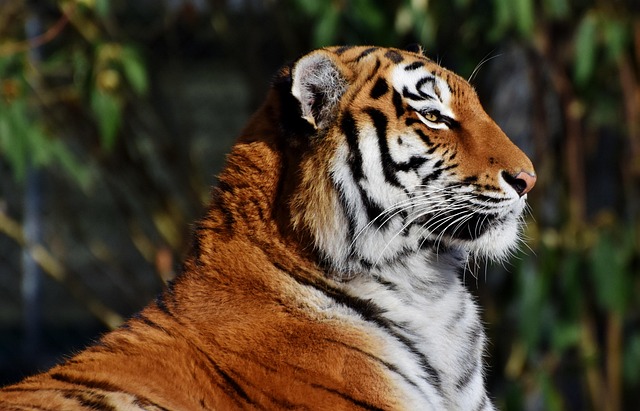
In Thailand, a young tiger called Gamma has become a symbol of what conservation can achieve. Born in 2023 inside Khlong Lan National Park, he was one of the first cubs successfully raised in the protected area in recent years.
When the young male vanished in January 2025, scientists feared the worst. Ten months later, a camera trap in Lan Sang National Park captured a powerful young tiger — 70 kilometres from his birthplace. The distinctive gamma-shaped markings on his hips confirmed it: Gamma had survived one of the hardest stages of a tiger's life, making the long dispersal journey that signals a healthy, connected forest landscape.
WWF-Thailand has supported tiger conservation in the country for more than a decade, working to restore grasslands, reintroduce prey species, and — crucially — secure the forest corridors that allow young tigers like Gamma to roam.
Scottish wildcats defy the odds
Closer to home, Scotland's wildcat conservation programme is delivering results that would have seemed improbable just a few years ago. In 2018, scientists warned that the Scottish wildcat was "functionally extinct" in the wild.
The Saving Wildcats project, led by the Royal Zoological Society of Scotland, has since released 46 captive-bred cats into the Cairngorms National Park. A study published in the IUCN's Cat News found that 18 of the first 19 cats survived their initial ten months in the wild — and some females have already produced litters of kittens.
"We've made huge strides for wildcat conservation in Scotland," said Dr Martin Gaywood of NatureScot. "We now have the science and evidence to back up our theory that wildcats can be restored through careful planning, breeding and release."
Why it matters
These stories arrive in a week when the IUCN reclassified emperor penguins from "Near Threatened" to "Endangered" — a stark reminder that climate change continues to threaten wildlife worldwide. But the monarch, the tiger, and the wildcat show what's possible when governments, scientists, and local communities commit to the long game.
Conservation isn't a spectator sport — and these wins prove the effort is worth it.