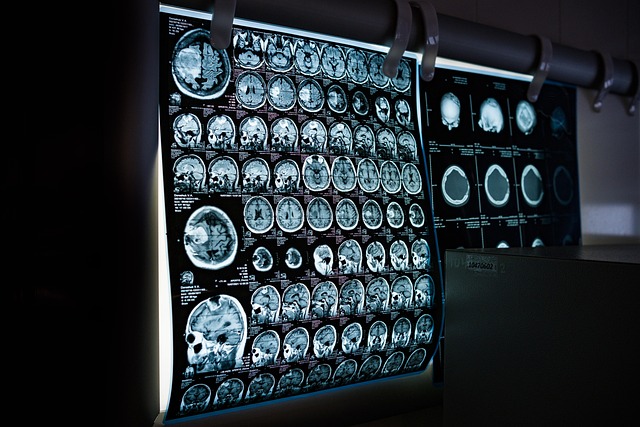

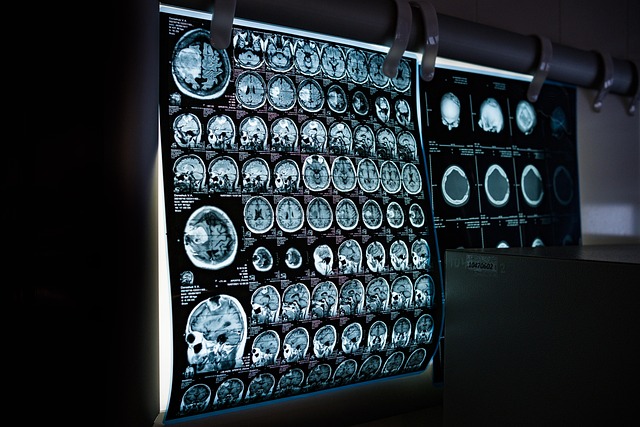
He was in his late thirties when the stroke hit. By the time he reached the Institute for Neurological Sciences at Glasgow's Queen Elizabeth University Hospital, he had lost the ability to speak and could not move the right side of his body.
A team threaded a catheter through a vessel in his wrist, guided it up into his brain, and pulled out the clot that was choking off his blood supply. He is now back at home with his young family, the team says, "without disability and enjoying life".
That procedure — mechanical thrombectomy, performed using a neurovascular stent retriever — is quietly rewriting what stroke recovery looks like for a small but growing number of UK patients.
How it works
When a large clot blocks one of the bigger arteries in the brain, every minute counts. A widely cited 2006 study by neurologist Dr Jeffrey Saver estimated that around 1.9 million brain cells die for each minute blood flow is interrupted. Clot-busting drugs (thrombolysis) can help if given within four-and-a-half hours, but they don't always shift the largest clots.
Thrombectomy is the mechanical alternative. Under sedation or general anaesthetic, an interventional neuroradiologist passes a fine catheter through an artery in the groin or wrist, and uses live X-ray imaging to navigate it up into the brain. A tiny wire mesh — the stent retriever — is then deployed inside the clot. The mesh expands, grips the clot, and is pulled back out, restoring blood flow.
In skilled hands, the procedure itself can take as little as half an hour. NHS Greater Glasgow and Clyde's clinical lead Dr Wazim Izzath put it bluntly when the West of Scotland Thrombectomy Service opened in 2024: "That's 30 minutes to change someone's life."
Real outcomes, not hype
The results are striking, but need keeping in proportion. In its first year, the Glasgow suite treated 102 patients. Of those, 41 per cent went on to live independent lives — more than double the proportion that would be expected with traditional stroke care alone, according to the unit.
Dr Peter Keston, consultant interventional neuroradiologist and clinical lead at the unit, is careful not to oversell it. "Thrombectomy isn't appropriate for every patient who suffers a stroke, with around 10 per cent of patients being suitable for the procedure," he said, marking the suite's first anniversary in March 2025. "However, when we can use it, the results can be transformational."
The postcode lottery
The technology has been available in the UK since 2017, but access remains patchy. The Stroke Association estimates that fewer than 2,500 thrombectomies a year are carried out across the UK — less than a quarter of those who could benefit. A 2024 analysis reported in the Guardian found just 4.3 per cent of eligible stroke patients in England were able to access the treatment.
Much of that gap is about hours, not headcount. Many UK centres still run a weekday, daytime-only service. The NHS Long Term Plan committed to lifting thrombectomy rates to around 10 per cent of stroke patients, with 24/7 cover the eventual goal.
Glasgow's suite currently operates during the day, but Dr Keston has said the unit's plan is to move to seven-day working, then to a full 24/7 service. NHS Tayside, NHS Lothian and NHS Forth Valley are among the other Scottish boards expanding access, with Edinburgh Royal Infirmary acting as a hub for the east.
"I think it should be available everywhere"
Gerald McMullen, a retired pub landlord from Cardiff, had his stroke in October 2020. His wife Linda spotted the FAST signs immediately and called 999. He had a thrombectomy at the University Hospital of Wales the same morning.
"Without the thrombectomy I would have been in a much worse state," he told the Stroke Association. He is back playing golf. "I think it should be made available everywhere. Get it done quickly and get rid of the clot. It's brilliant technology."
The technology is, finally, catching up with him.