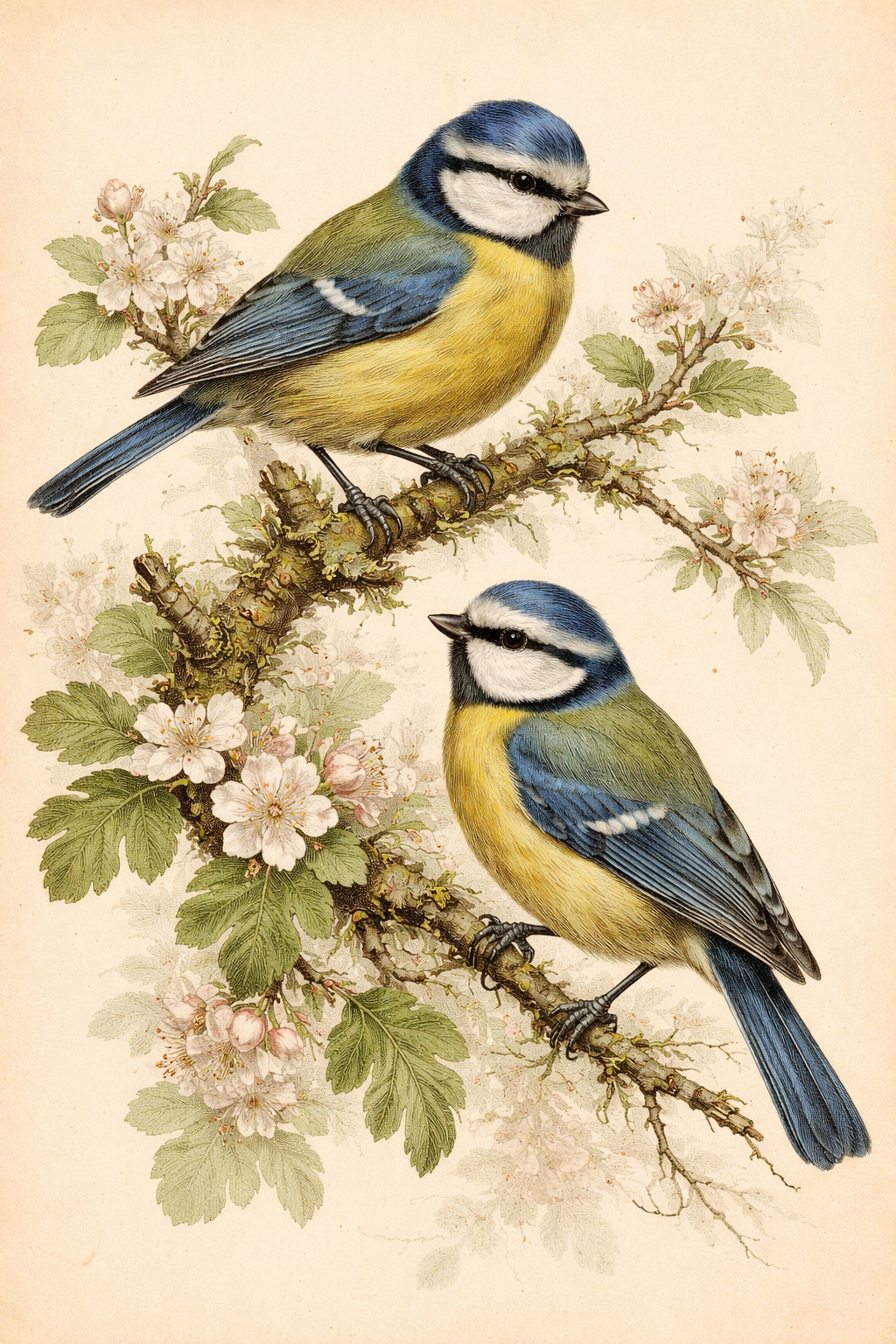

There are certain birds whose names alone are enough to make a grown adult snigger on a nature walk. The blue tit. The booby. The woodpecker. But none of them — none — can hold a candle to the shag.
Yes, the shag. Not a euphemism. Not a character from an Austin Powers film. An actual, genuine, scientifically classified seabird that graces Scotland's coastline in considerable numbers and has been making birdwatchers blush since Linnaeus first described it in 1761. Its scientific name, Gulosus aristotelis, translates roughly as "Aristotle's glutton." Even in Latin, the shag sounds like it's having a good time.
Getting to Know the Shag
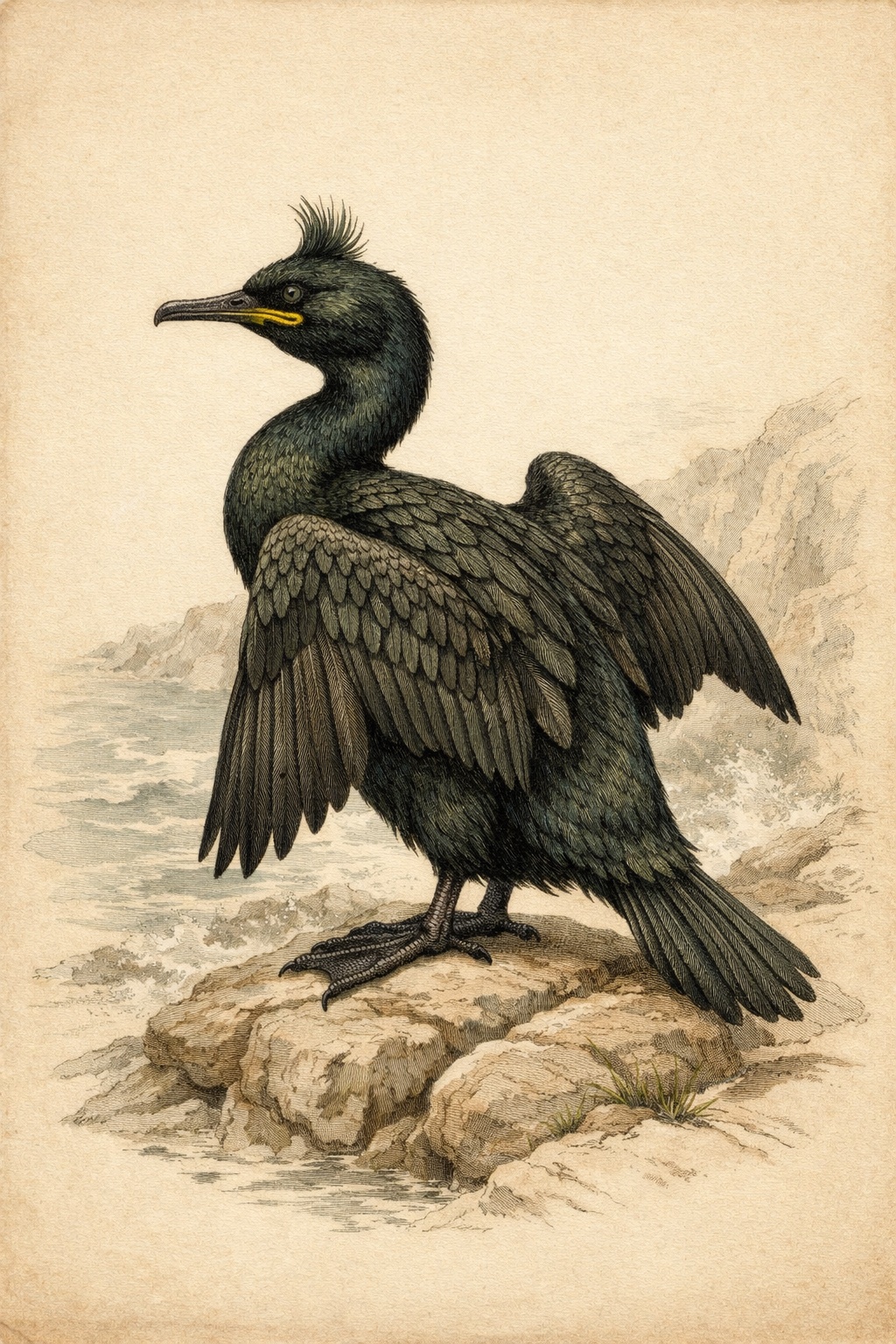
The European shag is a medium-large seabird — roughly goose-sized, between 68 and 78 centimetres of glossy, dark, reptilian-looking magnificence. Think of a cormorant that's been to the gym and discovered hair product. During breeding season, the shag develops a rather fetching forward-curving crest on its forehead, like a tiny quiff, giving it the unmistakable look of a 1950s teddy boy who's wandered onto the wrong cliff.
Its plumage, when the light catches it, shimmers with an iridescent bottle-green sheen — so striking that some folk call it the "green cormorant," though that name has significantly less comic potential and has therefore, understandably, never caught on.
A Deep Diver
The shag is one of the most impressive divers in the entire cormorant family. Using depth gauges, researchers have recorded shags plunging to depths of 61 metres — that's 200 feet, or roughly the height of a 20-storey building, straight down into the cold Atlantic with nothing but a lungful of air and sheer bloody-mindedness.
Before each dive, the shag performs what can only be described as a dramatic leap clear of the water — a little theatrical hop to build momentum before plunging beneath the surface. The typical dive lasts 20 to 45 seconds, followed by a brisk 15-second breather at the surface, before it goes again. And again. And again. Stamina, readers. The shag has stamina.
Its prey of choice? The humble sand eel, hunted along the sea bottom. Though three decades of data from Scotland's Isle of May colony show the shag has been diversifying its palate as ocean temperatures rise — from a strict sandeel diet to sampling up to eleven different fish species per year. An adventurous eater, then.
Domestic Arrangements
Shags are generally monogamous — at least for the season — and often return to the same nesting sites year after year. Their nests, however, are not what you'd call aspirational. They're untidy heaps of rotting seaweed and twigs, cemented together with the bird's own guano. Estate agents would call it "characterful." Everyone else would call it a health hazard.
The breeding season begins in late February, with three eggs typically laid per clutch. Here's the remarkable bit: shag chicks hatch completely naked — not a scrap of down on them — and depend entirely on their parents for warmth for up to two months. In Scotland. In spring. On a cliff face. One can only admire the commitment.
Where to See a Shag in Scotland
Scotland is shag central. The UK holds approximately 10% of the world's entire breeding population, and the vast majority nest on Scottish coasts — the Isle of May in the Firth of Forth, Fowlsheugh in Aberdeenshire, and right up through Orkney and Shetland. You'll spot them perched on coastal rocks with their wings spread wide in that classic cormorant pose, drying their feathers after a dive. Their plumage is only partially waterproof, you see, which means every fishing trip ends with what looks like a rather dramatic crucifixion impression on a sea stack.
Closer to Glasgow, your best bet is a trip down the Clyde coast — Ailsa Craig and the Ayrshire cliffs host breeding colonies, and they're regularly spotted around the sea lochs of Argyll. You won't find them inland, mind. The shag is strictly a coastal creature. It knows what it likes.
Red-Listed but Resilient
Despite its considerable presence on Scottish shores, the shag is a UK Red List species — meaning its population has declined significantly. British breeding numbers stood at around 18,000 pairs in 2015, and the trend is downward. Climate change, shifts in prey availability, and severe winter storms have all taken their toll. The shag's adaptability — that willingness to diversify its diet — may yet prove its salvation, but it's a bird that deserves our attention and protection.
So next time you're on a Scottish cliff path and you spot a sleek, dark figure with a jaunty crest, diving deep and drying off with its wings outstretched — give the shag the appreciation it deserves. It's worked hard for it.