
When Boyan Slat was sixteen years old, he went scuba diving in Greece. What he saw beneath the surface changed his life — and, as it turns out, the world. There was more plastic than fish.
Within two years, the Dutch teenager had founded The Ocean Cleanup, a nonprofit with an ambition so audacious it drew equal measures of admiration and scepticism: to rid the world's oceans of plastic. Now, thirteen years on, the organisation has reached a staggering milestone — 50 million kilograms, or 110 million pounds, of plastic removed from the seas and waterways of the planet.
It is, by any measure, a remarkable achievement.
From teenage dream to floating fleet
Slat first outlined his vision in a TEDx talk in 2013, when he was just eighteen. The early years were brutal. Prototypes failed. Critics called it impossible. But Slat and his growing team — now more than 150 strong, headquartered in Rotterdam — kept iterating.
The breakthrough came with System 03, a colossal U-shaped floating barrier stretching 2.2 kilometres between two vessels. Towed at walking pace through the Great Pacific Garbage Patch, it sweeps an area the size of a football pitch every five seconds. Underwater cameras and AI modelling guide the system towards the densest concentrations of debris, while a Marine Animal Safety Hatch ensures sea creatures can escape unharmed.
But the ocean is only half the battle. Through its 30 Cities Programme, The Ocean Cleanup deploys autonomous drones and interceptor devices in the world's most polluting rivers and urban waterways — stopping plastic at source before it ever reaches open water.
"After many tough years of trial and error, it's amazing to see our work is starting to pay off," Slat said. "While we still have a long way to go, our recent successes fill us with renewed confidence that the oceans can be cleaned."
Closer to home: Scotland's plastic problem
The global picture matters — but so does the local one. Scotland's 11,000 miles of coastline face their own persistent battle with marine debris.
Data from the Marine Conservation Society's Great British Beach Clean shows that 70 per cent of litter collected on Scottish beaches is plastic or polystyrene. Volunteers recorded an average of 346 items of rubbish for every 100 metres of shoreline surveyed, with plastic fragments, wet wipes and crisp packets topping the grim league table.
Catherine Gemmell, Scotland Conservation Officer at the Marine Conservation Society, has called for urgent government action: "We know policies from government work, as evidenced by the drop in numbers of single-use plastic bags and cotton buds on beaches. But time is running out. Plastic pollution must be tackled now."
Scotland's ban on plastic cotton bud sticks, introduced in 2019, has already cut their appearance on beaches by half. The carrier bag charge has driven similar reductions. But campaigners say far more ambitious legislation is needed — including a comprehensive Circular Economy Bill to phase out single-use plastics entirely.
What comes next
The Ocean Cleanup's goal is breathtaking: to remove virtually all plastic adrift in the oceans by 2040. The organisation estimates it will need an additional one billion dollars in funding to get there.
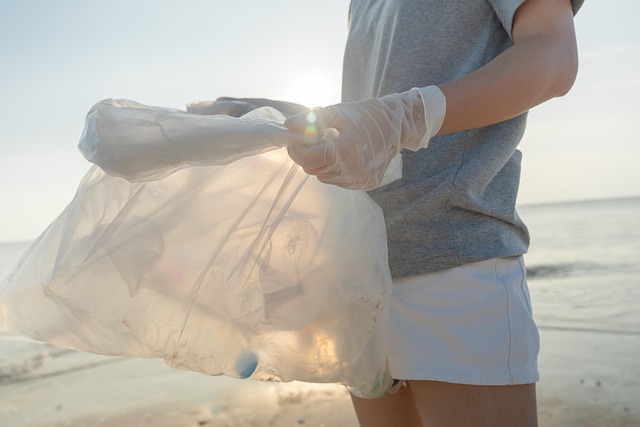
For those inspired to act closer to home, the Marine Conservation Society runs regular beach cleans across Scotland's coast year-round. Details are available at mcsuk.org.
Boyan Slat was a teenager with a diving mask and a dream. Thirteen years later, 110 million pounds of ocean plastic is gone — and the work is only just beginning.