When Wes Streeting was diagnosed with kidney cancer at the age of 38, he had no idea he would one day be the Health Secretary tasked with rewriting the future of cancer care in Britain. His tumour was caught early — a stroke of luck triggered by a kidney stone — and he made a full recovery. Now, he wants that same chance for everyone.
"Cancer survival shouldn't come down to who won the lottery of life," Streeting said as he unveiled the government's landmark National Cancer Plan. "As a cancer survivor who owes my life to the NHS, I owe it to future patients to make sure they receive the same outstanding care I did."
A Turning Point in Numbers
The headline ambition is bold: by 2035, three in four people diagnosed with cancer will be cancer-free or living well five years later. That's up from around 60% today. Over the plan's lifetime, it translates to 320,000 more lives saved — parents, partners, friends, colleagues who would otherwise have been lost.
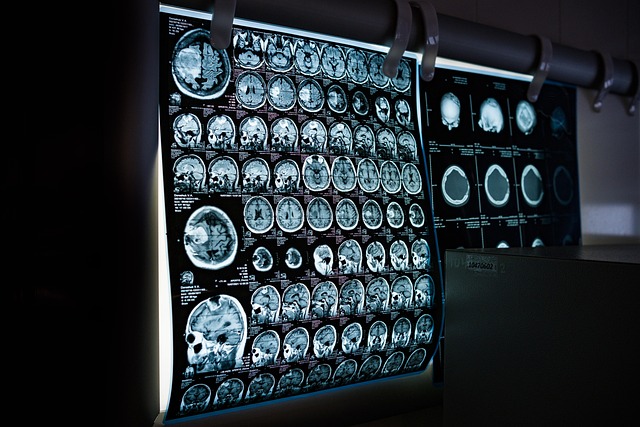
To get there, the NHS will receive £2.3 billion in diagnostic investment, funding 9.5 million additional tests by 2029. Community diagnostic centres — 170 of which are already open — will run 12 hours a day, seven days a week, bringing scans and checks closer to where people live.
The plan also commits the NHS to meeting all three cancer waiting time standards by March 2029. That matters enormously: the health service hasn't hit its central target — that 85% of patients start treatment within 62 days of referral — since 2014. For some cancer types, survival rates in England currently trail behind Romania and Poland.
What It Means for Patients
Two of the plan's most eye-catching pledges — robot-assisted surgery and genomic testing — sound futuristic, but they're already changing lives.
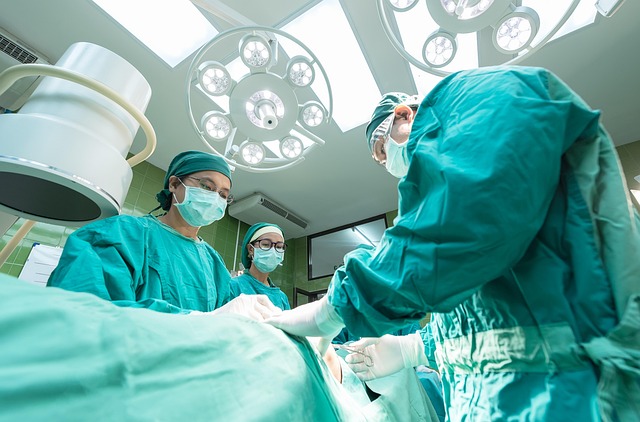
Robot-assisted surgery doesn't mean a robot operates on you unsupervised. A surgeon controls a highly precise robotic system that allows smaller incisions, less blood loss, and faster recovery. The plan will scale these procedures from 70,000 to half a million by 2035 — covering everything from cancer operations to hip replacements.
Genomic testing, meanwhile, analyses the DNA of a patient's tumour. Think of it as giving doctors a detailed fingerprint of the cancer, helping them choose treatments most likely to work for that specific person. Under the new plan, every eligible patient will be offered this test — a quiet revolution in personalised medicine.
An artificial intelligence pilot will also help detect hard-to-reach lung cancers sooner, with fewer invasive tests.
What About Scotland?
Here's the important caveat for readers north of the border: health is devolved, and this National Cancer Plan applies to England only. Scotland has its own Cancer Strategy 2023–2033, supported by a three-year Cancer Action Plan.
The challenges, however, are strikingly similar. Scotland's own progress report, published in 2024, acknowledged that cancer survival is improving "but not at a satisfactory rate." Progress on key actions has been delayed by what the Scottish Government described as "the most challenging financial situation since devolution."
Cancer Research UK is urging all parties ahead of the 2026 Scottish Parliament election to commit to a long-term cancer strategy with proper funding. Their analysis suggests focused action could save around 10,100 lives in Scotland between now and 2040. The charity highlights that cancer death rates in Scotland are around 80% higher for people living in the most deprived areas compared to the least deprived — a stark inequality that mirrors the picture across the UK.
Scotland's cancer community will be watching England's plan closely. If it delivers on its promises, it could set a benchmark — and raise expectations — for what patients everywhere deserve.
Hope, With Eyes Open
Professor Peter Johnson, NHS National Clinical Director for Cancer, put it simply: "Almost everyone will know someone who has been affected by cancer. This plan sets a clear roadmap to diagnose more cancers earlier, ensure more patients are treated on time and improve survival."
Gemma Peters of Macmillan Cancer Support welcomed the ambition but struck a note of realism. Too many patients, she said, still report long waits and inadequate post-treatment support. The plan's promise, she added, is about "adding life to years, as well as years to life."
That's the balance this plan must strike. The numbers are extraordinary, the technology is real, and the political will — led by a Health Secretary who has lived through cancer himself — feels genuine. But a plan is not yet a reality. What matters now is delivery.
For the 320,000 people whose lives hang in the balance, it can't come soon enough.