When Glen Stevenson clocks in for his night shift at Inverclyde Royal Hospital in Greenock, he doesn't reach for a stethoscope or pull on surgical gloves. He picks up a porter's uniform — the same one he's been wearing, in various iterations, for more than half a century.
Glen is one of approximately 400,000 people across the UK who keep the NHS running from behind the scenes: the porters, cleaners, receptionists, gardeners, and security guards who rarely make headlines but without whom the health service would grind to a halt.
This year, as the Our Health Heroes Awards celebrate their 10th anniversary, these workers are finally getting the recognition they deserve. Remarkably, around 40 per cent of all nominations go to non-clinical staff — a figure that tells its own story about who the public really notices and values when they walk through hospital doors.
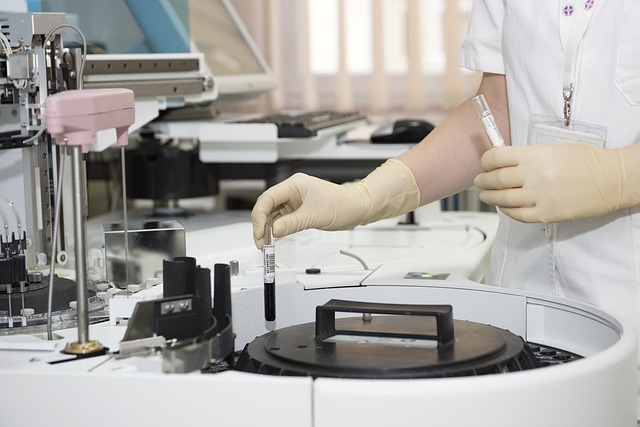
"It's a great team of people that I work with. I've been lucky that way," Glen told the BBC, with the quiet understatement typical of a man who has spent decades transporting patients between wards, delivering biological samples to laboratories, and — when the moment demands it — accompanying the deceased to the mortuary with care and dignity.
He started at 18. He could retire tomorrow. He doesn't want to.
The invisible 40 per cent
The Our Health Heroes Awards, delivered by Skills for Health and supported by NHS Employers, are the only national awards programme designed specifically to celebrate the wider healthcare workforce. This year's 10th edition has introduced a special new award to mark the milestone, and finalists are due to be announced this month.
Danny Mortimer, chief executive of NHS Employers, said the awards provide "a vital opportunity to celebrate the exceptional individuals who work across the health service, delivering outstanding care and going above and beyond for patients every single day."
The Operational Support Worker of the Year category — one of ten award categories — specifically recognises those in essential non-clinical roles such as receptionists, porters, facilities staff, and administrators "who keep healthcare services running smoothly and efficiently behind the scenes."
Last year's gold winner in that category was Hayley Pedwell, an information assistant at Macmillan Cancer Care, whose quiet daily work helping patients navigate the system earned her national recognition.
What porters actually do
According to NHSScotland Careers, porters carry out a strikingly wide range of tasks: collecting biological samples from wards and delivering them for testing, transporting patients safely between departments, sorting and delivering mail, distributing clean linen, handling medical gas cylinders, and moving equipment across hospital sites.
It is work that demands physical stamina, emotional resilience, and the kind of interpersonal warmth that puts anxious patients at ease. At NHS Greater Glasgow and Clyde, where Glen works alongside healthcare assistant Anne King — who has also served for more than 50 years — site lead Louise Watson has described their experience as "invaluable."
"Both Anne and Glen play key roles in ensuring patients get the best possible experience at Inverclyde Royal Hospital," Watson said. "Their experience and many years of service is invaluable to NHSGGC."
A moment of recognition
Sara Gorton, UNISON's head of health, has put it bluntly: "The Our Health Heroes Awards shine a light on the vital work of the entire healthcare team — cleaners, porters, security staff, receptionists, medical secretaries and many more — without whom the NHS simply couldn't function."
That 40 per cent figure is worth sitting with. Nearly half of the people keeping our hospitals running aren't doctors or nurses. They're the person who wheels you to your scan. The receptionist who remembers your name. The cleaner who makes sure the ward is safe.
The Our Health Heroes Awards exist to say what the rest of us too often forget: thank you.
Nominations for the 2026 awards have now closed. Finalists will be announced in April.