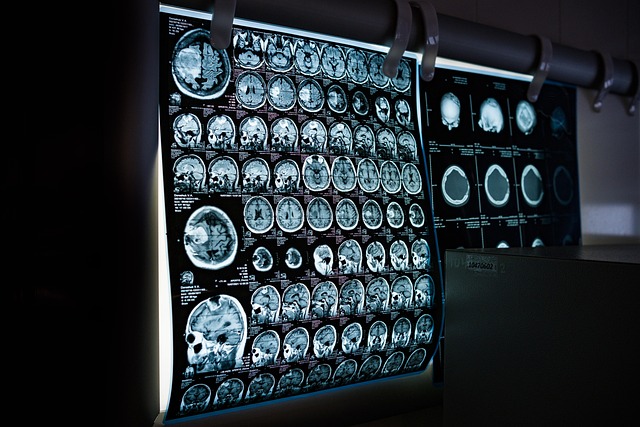

For decades, getting a definitive Alzheimer's diagnosis has meant one of two things: an expensive PET brain scan or an invasive lumbar puncture. Both require specialist hospital settings. Both are uncomfortable, time-consuming, and often inaccessible.
That could be about to change.
A blood test called PrecivityAD2, developed by US diagnostics company C2N, has demonstrated over 90% accuracy in detecting Alzheimer's disease pathology — matching the performance of those far more invasive procedures. A landmark study published in the Journal of the American Medical Association (JAMA) in July 2024 found the test was equally effective whether administered in primary care or specialist memory clinics.
How it works
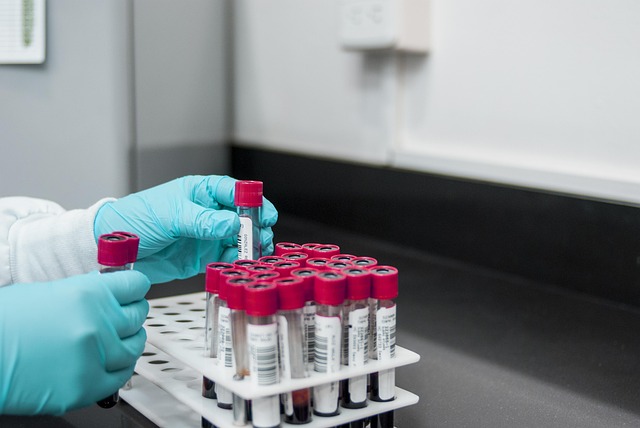
The test requires a single blood draw. Using high-resolution mass spectrometry, it measures two key proteins in the blood: the ratio of amyloid-beta 42 to amyloid-beta 40 — fragments of the protein that forms the sticky plaques characteristic of Alzheimer's — and phosphorylated tau-217, a marker of the tangled protein fibres that damage brain cells from the inside.
These measurements are combined into what C2N calls an Amyloid Probability Score, giving doctors a clear indication of whether amyloid plaques are likely present in the brain.
"The results of this study support the idea that a high-performing blood test has the potential to revolutionise the diagnostic work-up of Alzheimer's disease in primary care," said Dr Sebastian Palmqvist, Associate Professor of Neurology at Lund University in Sweden and lead author of the JAMA study.
The numbers are striking. Without the blood test, primary care doctors diagnosed Alzheimer's pathology accurately just 61% of the time using standard clinical examination, cognitive testing, and CT scans. With PrecivityAD2, accuracy jumped above 90%.
From lab to GP surgery
An independent validation study published in Nature's npj Dementia journal in September 2025 confirmed the test's "repeatable, reliable, and robust" performance, reporting 91% accuracy, 90% sensitivity, and 92% specificity.
In May 2025, the FDA approved the first-ever blood test for Alzheimer's diagnosis — the Lumipulse test by Fujirebio Diagnostics, which works on similar principles, measuring the ratio of p-tau217 to beta-amyloid. While PrecivityAD2 itself awaits FDA clearance, the approval signals a sea change in how doctors worldwide may soon approach dementia diagnosis.
For the estimated 900,000 people living with dementia in the UK — a figure projected to rise to over one million by 2030 — earlier, simpler diagnosis could mean earlier access to emerging treatments such as the amyloid-targeting drugs Kisunla and Leqembi.
Scotland at the forefront
Scottish researchers are already deeply engaged in the blood biomarker revolution. At the University of Glasgow, Professor Terry Quinn, David Cargill Chair in Geriatric Medicine, directs the Brain Health ARC — a Scottish Funding Council-backed alliance that has positioned Scotland as an international hub for dementia biomarker research.
In 2024, the Brain Health ARC, in partnership with the Global Alzheimer's Platform Foundation, launched the Bio-Hermes Biomarker Data Challenge — an international research competition using the world's most comprehensive set of dementia biomarker data from early blood testing studies. More than 40 submissions from 28 institutions across 18 locations were received, with results showcased at a Glasgow summit in March 2025.
"We have shown that with collaboration, support, and a little hard work we can do things differently," Professor Quinn said. "In a matter of months, we have completed a portfolio of high-quality, impactful research."
At the University of Edinburgh, the Centre for Clinical Brain Sciences runs the PREVENT Dementia programme and the Deep & Frequent Phenotyping Study, both tracking biological and cognitive markers to detect the earliest signs of Alzheimer's. Alzheimer Scotland maintains a Brain Tissue Bank at Edinburgh and funds research across the country through the Scottish Dementia Research Consortium, which brings together researchers from Glasgow, Edinburgh, St Andrews, Dundee, Aberdeen, and beyond.
A reason for hope
The development of accurate blood tests represents one of the most significant advances in Alzheimer's research in a generation. While no cure exists yet, the ability to diagnose the disease early — before significant brain damage occurs — opens the door to treatments that work best in the disease's earliest stages.
As C2N's CEO Dr Joel Braunstein put it: "These therapies are most successful when they start early."
For the millions of families touched by Alzheimer's, a simple blood test may not be a cure. But it could be the beginning of one.