
For the roughly one in five adults living with chronic pain, the comparison researchers use is painfully familiar: it is like a radio stuck at full volume, and nothing you try will turn it down.
Now a team at the University of Pennsylvania says it has found something that might — a gene therapy that targets the brain's pain circuits directly, mimicking the relief of morphine without the addiction risk that has driven the opioid crisis.
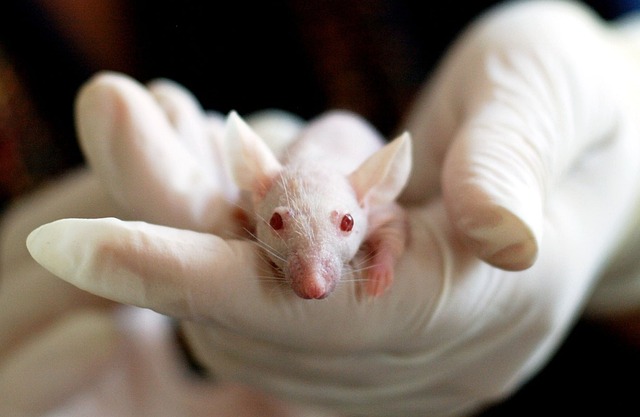
The work, published in the journal Nature and reported by the University of Pennsylvania Perelman School of Medicine, is at an early, pre-clinical stage. The therapy has been tested in mice, not people. But its authors describe it as a "first step" and a "blueprint" for a new kind of pain medicine.
A precise volume control
Morphine and other opioids work, but bluntly. They dampen pain by acting across wide stretches of the brain, which is why they also cause sedation, constipation, tolerance and, for too many patients, addiction.
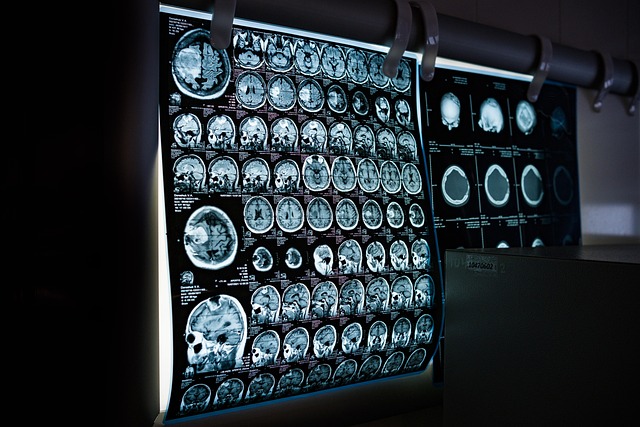
The Penn-led team set out to do something more surgical. Using an AI-powered system that watched mice behave naturally and estimated how much pain they were in, the researchers mapped the specific brain cells that morphine acts on to relieve pain. They then built a gene therapy that installs a targeted "off switch" in just those circuits.
"The goal was to reduce pain while lessening or eliminating the risk of addiction and dangerous side effects," said Gregory Corder, assistant professor of psychiatry and neuroscience at Penn and co-senior author of the study. "By targeting the precise brain circuits that morphine acts on, we believe this is a first step in offering new relief for people whose lives are upended by chronic pain."
When the switch is activated, the team reports, it reduces pain over a sustained period without interfering with normal sensations or lighting up the brain's reward pathways — the circuitry that makes opioids so addictive.
"To our knowledge, this represents the world's first CNS-targeted gene therapy for pain, and a concrete blueprint for non-addictive, circuit-specific pain medicine," Corder said.
Why it matters
The numbers behind the opioid crisis are the reason researchers keep chasing alternatives. In 2019, drug use was linked to 600,000 deaths worldwide, about 80 per cent involving opioids, according to the Penn release. A 2025 Pew survey cited by the university found nearly half of Philadelphians knew someone with opioid use disorder, and a third knew someone who had died of an overdose.
Chronic pain, meanwhile, affects some 50 million Americans. The Penn release puts the cost to the US at more than $635 million a year in medical bills and lost productivity, though other widely cited estimates — including long-standing figures from the US Institute of Medicine — put the true annual cost in the hundreds of billions of dollars. Either way, it is the condition opioids were meant to treat, and the condition the epidemic keeps failing.
The project grew out of more than six years of work supported by a National Institutes of Health New Innovator Award, alongside contributions from Carnegie Mellon and Stanford.
A long road to the clinic
Crucially, a therapy that works in mouse brains is a long way from one you can prescribe. The team is now working with Michael Platt, the James S. Riepe University Professor at Penn, to push the research toward human trials — a path that typically takes years of safety testing before the first patient is dosed.
"The journey from discovery to implementation is long, and this represents a strong first step," Platt said. "Speaking both as a scientist and as a family member of people affected by chronic pain, the potential to relieve suffering without fuelling the opioid crisis is exciting."
No timetable for clinical trials has been announced. Some authors are named on a provisional patent application through Penn and Stanford covering the custom genetic sequences used in the therapy.
For the millions whose daily lives are shaped by pain, it is not a cure arriving tomorrow. But it is, for once, a promising new lever — and one designed from the start not to break the people it is meant to help.