
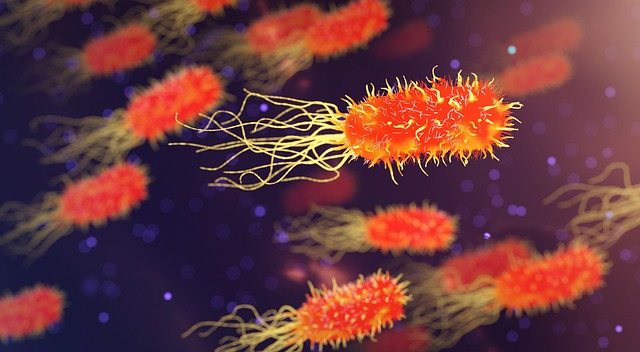
Almost all of us are carrying it. Epstein-Barr virus — the quiet passenger behind glandular fever, strongly linked to multiple sclerosis and implicated in several cancers — lives inside around 95 per cent of adults worldwide. For most people it slumbers harmlessly. For some, it does terrible damage.
Now a team at Seattle's Fred Hutchinson Cancer Center say they have taken a meaningful step toward stopping it.
In a paper published this month in Cell Reports Medicine, researchers describe a set of human-like antibodies that block EBV from latching onto and entering the immune cells it normally hijacks. In lab models using mice with human-style immune systems, one of the antibodies prevented infection altogether.
What the breakthrough actually means
The headline finding is modest but genuine: scientists have, for the first time, generated fully human monoclonal antibodies that stop EBV at the door.
"Finding human antibodies that block Epstein Barr virus from infecting our immune cells has been particularly challenging because, unlike other viruses, EBV finds a way to bind to nearly every one of our B cells," said Dr Andrew McGuire, a biochemist at Fred Hutch's Vaccine and Infectious Disease Division and the study's senior author.
His team used mice engineered to produce human antibodies, then went hunting for ones that recognise two key viral proteins: gp350, which the virus uses to stick to human cells, and gp42, which helps it fuse with and invade them. They identified two antibodies against gp350 and eight against gp42.
In the final round of testing, one gp42-targeting antibody fully blocked infection in the humanised mouse model. A gp350-targeting antibody offered partial protection.
Transplant patients first in line
The scientists are not promising a universal cure. They are aiming, sensibly, at the people who need help most urgently.
Each year more than 128,000 people in the United States receive solid organ or bone marrow transplants. Immunosuppressive drugs that keep their new organ safe can also let EBV slip its leash — sometimes causing post-transplant lymphoproliferative disorders, or PTLD, an often-fatal form of lymphoma. There are currently no targeted therapies to prevent it.
"Post-transplant lymphoproliferative disorders, most of which are EBV-associated lymphomas, are a frequent cause of morbidity and mortality after organ transplantation," said Dr Rachel Bender Ignacio, an infectious disease physician at Fred Hutch and the University of Washington School of Medicine. "Effective prevention of EBV viremia remains a significant unmet need in transplant medicine."
Children receiving transplants are especially vulnerable, because many have never met the virus before and have no immunity of their own.
Why EBV matters beyond transplants
EBV has a long rap sheet. Beyond glandular fever (infectious mononucleosis), it has been linked to Burkitt lymphoma, Hodgkin lymphoma, nasopharyngeal carcinoma and some gastric cancers. A major 2022 study offered compelling evidence that EBV is the leading trigger for multiple sclerosis. It has also been discussed in connection with chronic fatigue and long-running post-viral illness, though cause and effect there remain unsettled.
That is why even a narrow, transplant-focused therapy matters: every proven tool against EBV could, in time, ripple outward.
What happens next
Fred Hutch has filed intellectual property claims on the antibodies and is working with an industry partner to push the research toward the clinic. The next steps will be safety testing in healthy adult volunteers, followed by trials in transplant patients.
Crystal Chhan, a pathobiology PhD student on the McGuire lab team, said the work had also validated a broader strategy for hunting protective antibodies against other pathogens.
"There's momentum to advance our discovery to a therapy that would make a huge difference for patients undergoing transplant," McGuire said. "After many years of searching for a viable way to protect against Epstein Barr virus, this is a significant stride."
It is not a vaccine. It is not yet a treatment. But for a virus that has shrugged off decades of effort, a stride is worth marking.