
On a beach near his home on Barra, Calum Iain MacNeil found a visitor that had come a very long way indeed.
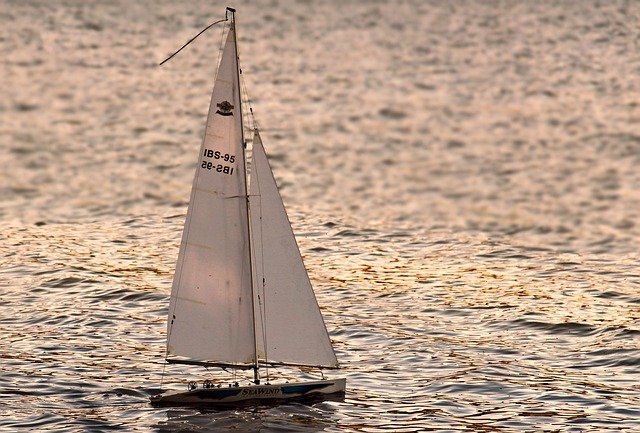
The Castlebay Primary pupil and his dad, Donald, recovered a tiny sailing boat fitted with a GPS tracker on 7 September, BBC News reported. It had crossed roughly 2,000 miles of the Atlantic in almost 100 days at sea, the latest leg of a voyage that began 15 months ago on the far side of the ocean.
The little craft is called Pie on the Tide, and its arrival in the Hebrides owed as much to family ties as to wind and water.
A family chain across the ocean
The boat was put back to sea from Newfoundland in June. According to the BBC, it was relaunched by a school attended by the daughter of Gemma MacKinnon, who is originally from the isles and moved away four years ago.
When it became clear the boat was heading for Barra, the school asked Gemma whether she knew anyone who could look out for it. She did.
"I was able to send the co-ordinates to my brother whose girlfriend [Calum Iain's sister] is there and her family retrieved the mini boat," she told the BBC.
The two families are separated by 2,000 miles, but a few messages were enough to close the gap.
From Maine to Newfoundland
Pie on the Tide began life at Peaks Island Elementary, an island school near Portland, Maine. According to the programme's organisers, Educational Passages, the school's fourth- and fifth-grade pupils built and decorated it. They named it after their school's initials, P.I.E., and designed their own logo. They also filled its cargo hold with letters, keepsakes and paper "Flat Stanley" figures, one for each pupil.
A lobster boat took it offshore, and it was launched into the Gulf of Maine on 27 June 2025. Just 23 days later it made landfall in Newfoundland and Labrador. Local fishermen and officers from Fisheries and Oceans Canada recovered it there, more than once, after the tide carried it back out.
The boat then spent the school year with pupils at St Joseph's Elementary in Harbour Breton. They opened its cargo hold, signed the hull and made Flat Stanleys of their own, and they struck up Zoom friendships with the children in Maine.
On 7 June 2026, a Canadian fisheries patrol vessel carried the boat beyond the Grand Banks and set it free once more.
How the Miniboat Programme works
The Miniboat Programme is run by the US non-profit Educational Passages. Schools build and decorate a small, unmanned sailing boat carrying a GPS tracker. Once the boat is launched, the tracker sends back regular position reports, and pupils plot its course on maps as winds and ocean currents carry it wherever they will.
Along the way, children learn about currents, weather, geography and marine science. As Pie on the Tide has shown, they also learn about the people who live on distant shores. Finders are encouraged to share each boat with a local school before sending it on its way again.
Next stop: Norway
Michelle MacLean, deputy head teacher at Castlebay Primary School, told the BBC the boat was in "pretty good" condition after its crossing.
"Calum and his father are at the moment looking at doing some preparation work to mend the sail, and there are a couple of other parts of it to make and then we're hoping to relaunch it," she said.
If all goes to plan, the school hopes Pie on the Tide's next landfall will be Norway.
Readers can follow the boat's voyages on its page at educationalpassages.org/boats/pieonthetide. The organisers also publish live maps of every miniboat currently at sea at educationalpassages.org/maps.