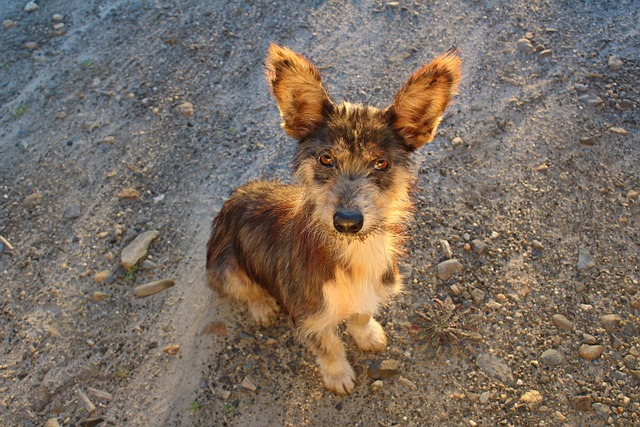
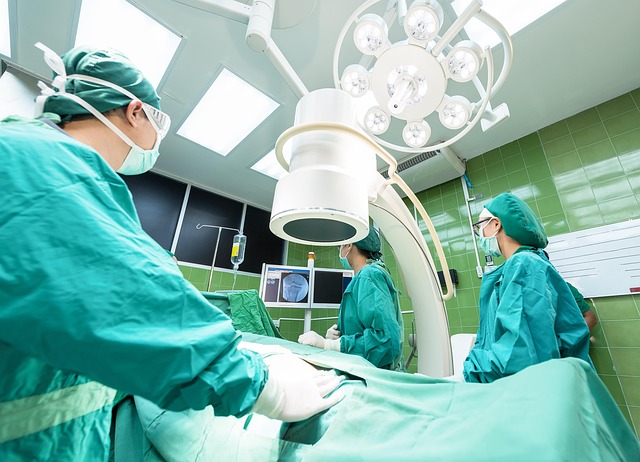
In a quiet ward at Glenrothes Hospital in Fife, a small Jack Russell cross Chihuahua named Jilli trots between beds with the confidence of a consultant on morning rounds. She pauses at each patient, tail wagging, eyes bright, waiting for the outstretched hand she knows is coming. For the people she visits — some recovering from surgery, some facing long and frightening stays — Jilli's arrival is the best part of the week.
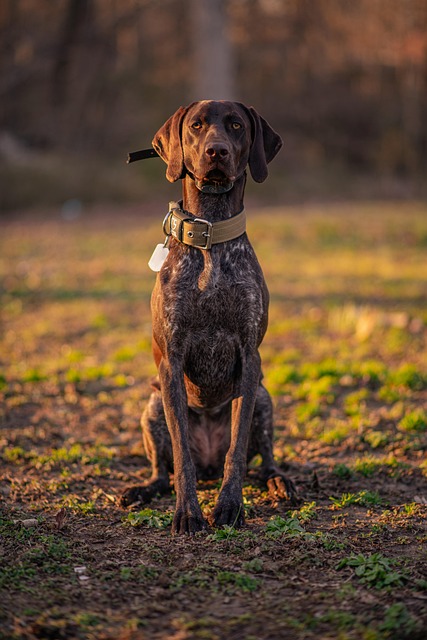
Jilli is one of a growing number of therapy dogs working across Scotland's hospitals, care homes, and mental health units. Registered through Canine Concern Scotland and deployed as part of NHS Fife's dedicated Therapets programme, she represents a quiet revolution in patient care — one built not on new drugs or expensive equipment, but on the ancient bond between humans and dogs.
"Sometimes small miracles occur," says NHS Fife's volunteering team. "People who have never spoken, who have turned their faces to the wall, magically come to life at the appearance of a dog in their ward."
The science behind the wagging tail
What might sound like sentimental anecdote is backed by substantial clinical evidence. A landmark review published in Frontiers in Psychology, drawing on 69 peer-reviewed studies, found that human-animal interactions produce measurable improvements across a striking range of health markers.
Patients who spent time with therapy dogs showed reduced cortisol levels — the hormone most closely associated with stress. Heart rates slowed. Blood pressure dropped. Self-reported anxiety decreased. The researchers identified a key mechanism: the activation of the oxytocin system, the same neurochemical pathway triggered by bonding between parent and child. In plain terms, stroking a calm, friendly dog triggers a cascade of biological responses that make people feel safer, calmer, and more connected.
For patients on cancer wards, in psychiatric units, or living with dementia, those effects are not trivial. They are, in many cases, transformative.
A national movement, led by volunteers
Across the UK, the charity Pets As Therapy coordinates the largest network of therapy animal visits. More than 6,200 volunteers and their assessed pets make regular visits to nearly 6,700 locations, reaching over 631,000 people each year. Every animal is carefully assessed for temperament, obedience, and calm under pressure before being approved.
In Scotland, organisations including Therapet and Canine Concern Scotland run dedicated programmes supplying trained therapy dogs to hospitals, hospices, and care homes. Therapet, which operates exclusively in Scotland, focuses on promoting responsible dog ownership alongside its visiting service, ensuring that every dog entering a clinical setting is properly prepared.
The Beatson West of Scotland Cancer Centre in Glasgow — one of Europe's leading cancer treatment facilities — runs an annual Ambassadog competition that draws tens of thousands of public votes. The current ambassador, a Paisley cockapoo named Baxter, represents the charity at events across Scotland, a testament to how deeply the bond between dogs and patients resonates with the public.
In the care home: Honey and her golden magic
The impact extends well beyond hospitals. At Etive House, a care home near Oban in the Scottish Highlands, a gentle golden retriever named Honey has become the most popular visitor on the roster. She arrives regularly to spend time with residents individually and in groups, offering companionship and what staff describe as a remarkable ability to lift the mood of an entire room.
For residents living with dementia, therapy dogs like Honey can bypass the confusion and frustration that the condition brings. Animals offer a form of connection that does not depend on memory or language. A resident who struggles to recall a grandchild's name may light up instantly at the sight of a dog — reaching out to stroke soft fur, smiling, sometimes speaking words that haven't come for months.
"The presence of therapy pets has been shown to reduce agitation and restlessness," notes Etive House. "For those who may struggle with speech, interacting with an animal can provide a meaningful way to express themselves."
Demand is growing — and so is the evidence
NHS Fife's Therapets programme is one of the most established in Scotland, but it is far from alone. Across the country, health boards are increasingly recognising that animal-assisted therapy is not a luxury or a novelty — it is a clinically supported intervention that improves patient outcomes at virtually no cost to the health service, delivered entirely by volunteers.
The evidence base continues to strengthen. Beyond cortisol and blood pressure, studies have documented improvements in pain management, social interaction, and even trust between patients and clinical staff. For patients who feel frightened, isolated, or simply worn down by the relentless rhythm of hospital life, a therapy dog visit offers something no prescription can replicate.
As Jilli's owner puts it simply: "I think she knows they need her more because they are ill. She is quite remarkable."
Across Scotland, in wards and day rooms and quiet corners of care homes, thousands of remarkable dogs are doing exactly the same thing. One gentle visit at a time.