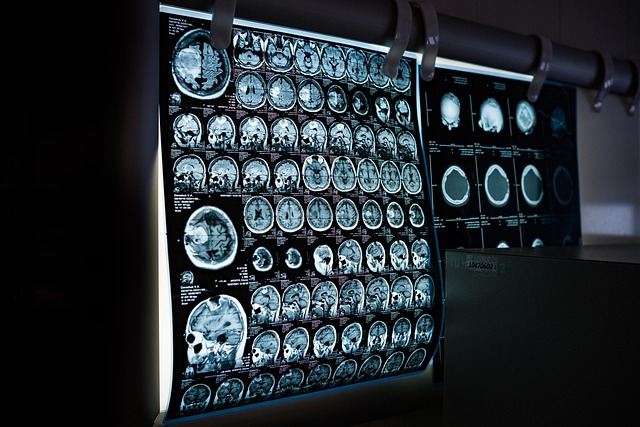


The blood tests look better. The swelling has eased. By every measure on the clinic chart, the treatment is working. And yet the pain and the tiredness are still there.
If you live with rheumatoid arthritis and that sounds familiar, researchers at Semmelweis University in Budapest have a message worth hearing: symptoms that linger may not always be driven by inflammation alone.
What the researchers are saying
Rheumatoid arthritis is an autoimmune disease, meaning the immune system mistakenly attacks the joints, causing pain, swelling and stiffness. Most people respond well to treatment.
But between 6 and 28 per cent do not reach lasting remission despite therapy, according to the university. Doctors call this group "difficult-to-treat".
In a paper in Nature Reviews Rheumatology, Dr Lilla Gunkl-Tóth and Dr György Nagy of Semmelweis, writing with Professor Iain McInnes of the University of Glasgow, argue that this label can cover more than one situation. Sometimes the drugs are simply not working. But sometimes, they write, the causes are broader, including psychological distress, other health conditions and chronic pain syndromes.
A warning light, not a verdict
Standard care follows an approach called "treat-to-target". Doctors set a goal, track measurable signs of disease activity, and adjust treatment if inflammation is not coming down, often by raising a dose or switching drugs.
The authors say this works well for most patients. Their suggestion is that it can also act as an "early warning system". If the measurements improve but the symptoms stay, that may point to something else keeping them going.
"When target values improve but the patient still suffers from pain and fatigue, it is worth taking a step back," Dr Nagy, who heads the university's Department of Rheumatology and Immunology, said in a statement. "In such cases, instead of automatically prescribing more medication, doctors should look for what is maintaining the symptoms – whether it is chronic pain syndrome, depression, sleep disorders, or obesity."
The researchers describe a "vicious cycle". Pain and low mood can reduce activity, which can lead to weight gain and poorer sleep, which can in turn make pain worse.
What the numbers show
The evidence behind this includes a separate analysis published in The Lancet Rheumatology by a team led by Wenhui Xie. It pooled 21 earlier studies covering 22,968 people with rheumatoid arthritis, of whom 2,783 had the difficult-to-treat form.
It found that difficult-to-treat disease was more common in people with fibromyalgia, a long-term pain condition (a little over double the odds), depression (about 74 per cent higher odds), obesity (about 38 per cent higher) and a history of smoking (about 16 per cent higher).
The Semmelweis researchers wrote an accompanying commentary in the same journal, suggesting that tackling these factors early may help to break the cycle.
The limits
Some caution is needed. The pooled studies were observational, meaning they watched what happened to patients rather than testing a treatment. They show that these factors and difficult-to-treat arthritis tend to occur together. They cannot prove that one causes the other.
Not every suspected factor held up, either. The analysis found no clear link for current smoking or anxiety. Sleep problems, which the university highlights, are not among the results reported in the study's published summary.
The Semmelweis papers are a review and a commentary, not a new clinical trial. The team says it has seen this approach improve outcomes in its own patients, but that is the researchers' observation rather than a trial result.
What this means for you
None of this is a reason to change or stop your medication on your own. Controlling inflammation remains essential, and for some people an adjustment to their drugs will be exactly what is needed.
What the research offers is a better conversation. If your tests have improved but you still feel unwell, it is reasonable to tell your GP or rheumatologist so, and to ask whether sleep, mood, weight, smoking or a separate pain condition might be playing a part.
Lingering pain is real. And according to this work, it may have more than one explanation, and so more than one way forward.