For families living with Huntington's disease, hope has always been the cruellest word. The condition — caused by a single inherited gene — strikes in middle age, stealing movement, memory, and personality in a relentless decline that can last two decades. Every child of an affected parent faces a coin-toss: a 50% chance of inheriting the same fate.
Until now, there has been nothing to slow it down. No drug, no therapy, no treatment of any kind that could alter the course of the disease. Only management of symptoms, and the long, grinding wait.
That wait may finally be over.
A gene therapy developed by Dutch-American company uniQure and tested in a landmark UCL-led trial has become the first treatment ever to demonstrate it can modify the progression of Huntington's disease. After 36 months, patients given a high dose of the therapy — called AMT-130 — experienced 75% less disease progression than expected, measured across motor function, cognition, and daily living.
"We now have a treatment for one of the world's more terrible diseases," said Professor Sarah Tabrizi, director of UCL's Huntington's Disease Centre, who led the trial. "This is absolutely huge."
A single surgery, a lifetime of effect
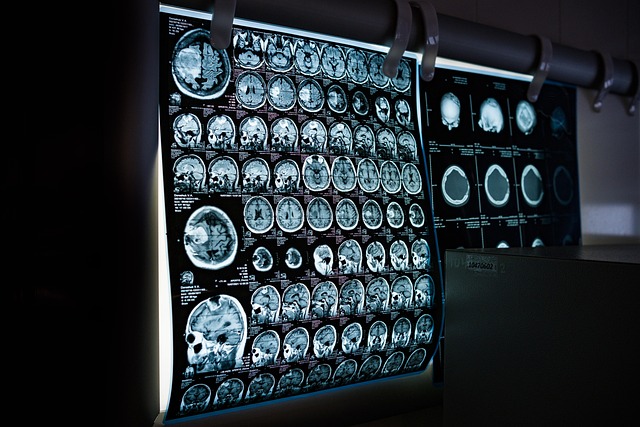
The treatment is delivered in a single operation lasting between 12 and 20 hours. A harmless virus, carrying custom-designed DNA, is injected directly into the brain's striatum — the region most vulnerable to Huntington's damage. Once inside the neurons, the DNA instructs cells to block production of the toxic mutant protein that drives the disease.
The effect is expected to be permanent. One dose. One surgery. For life.
Results from 29 patients — 12 of whom received the high dose and have a full three years of data — showed not only a dramatic slowing of symptoms, but also falling levels of neurofilament light protein in spinal fluid, a key marker of brain cell damage. In Huntington's patients, those levels normally rise steadily. Here, they dropped.
"My patients in the trial are stable over time in a way I'm not used to seeing in Huntington's disease," said Professor Ed Wild, principal investigator at the UCL trial site. "One of them is my only medically-retired Huntington's disease patient who has been able to go back to work."
Scotland's stake
The breakthrough carries particular weight in Scotland, where rates of Huntington's disease are among the highest in the world. Research from the University of Aberdeen found that North Scotland has a prevalence of 14.5 per 100,000 people — more than five times the global average — with over 160 adults in the region carrying the gene without knowing it.
The Scottish Huntington's Association, the country's only charity dedicated exclusively to the condition, has long campaigned for expanded specialist services. Chief executive Alistair Haw has called for "immediate action," warning that current provision falls short of what families need.
"Specialist Huntington's services need to be expanded urgently," Haw said. "They are not some 'nice to have' optional extra but an absolute necessity."
What comes next
The trial remains small, and there was no placebo-controlled group — patients were compared with a matched cohort from a long-running natural history study. Larger trials will be needed. uniQure had planned to submit for US approval in early 2026, but in November the FDA signalled that data from the Phase I/II study may not be sufficient on its own to support an application, casting doubt on the timeline. The company is now working with regulators in the US, UK, and Europe to find the fastest path forward.
But for the estimated 8,000 people living with Huntington's in the UK — and the more than 20,000 who carry the gene — the trial results remain the first concrete evidence that the disease can be slowed.
Robyn Perry, 34, a support worker from Liverpool who tested positive for the Huntington's gene at 20, has spent 16 years caring for her father. She shared tears of joy with friends in the Huntington's community when the results were announced.
"We've fought for so long for a cure," she said. "For this day to come — it means absolutely everything for us and our families."